
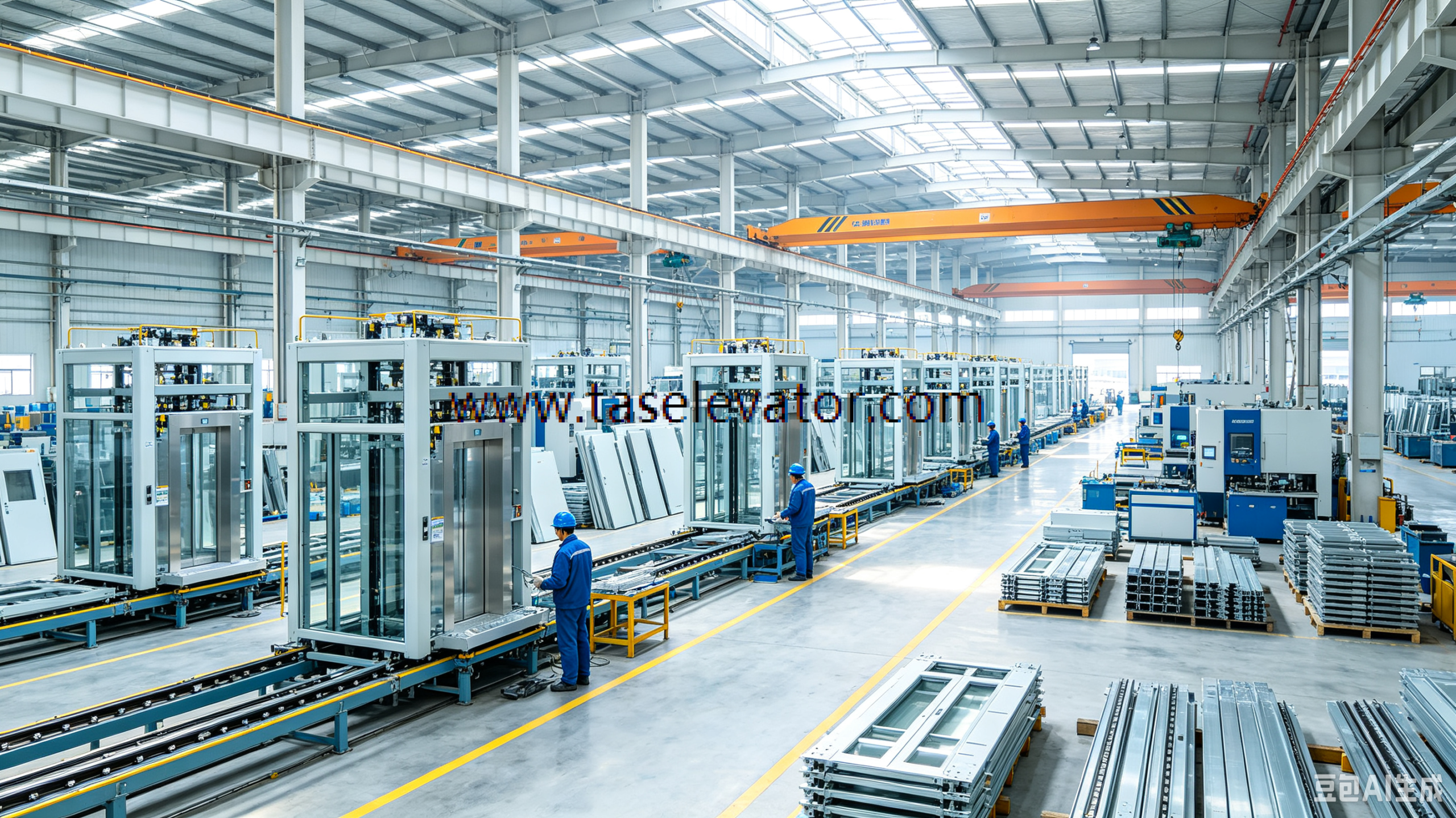
China is one of the world’s major manufacturing and sourcing centers for elevator and escalator spare parts. For elevator maintenance companies, distributors, contractors, and spare parts wholesalers, buying elevator parts from China can provide competitive prices, a wide range of products, and flexible sourcing options.
However, finding the right supplier is not simply about choosing the lowest price. The correct part number, product quality, compatibility, packaging, delivery time, and after-sales service are all important factors.
In this guide, we will explain how to buy elevator spare parts from China step by step and how to avoid common purchasing problems.
1. Identify the Elevator Brand and Model
The first step is to identify the elevator or escalator brand and, if possible, the model.
Common elevator brands include:
- KONE
- OTIS
- Schindler
- Mitsubishi
- Fujitec
- Hitachi
- Toshiba
- Hyundai
- ThyssenKrupp
Different elevator brands and models may use different components, even when the parts look similar.
Before contacting a supplier, try to collect as much information as possible, including:
- Elevator brand
- Elevator model
- Part number
- Product name
- Dimensions
- Voltage or electrical specifications
- Photos of the original part
Providing this information can significantly reduce the risk of receiving an incorrect part.
2. Always Check the Part Number
The part number is one of the most important pieces of information when purchasing elevator spare parts.
For example, instead of simply asking for an “elevator door motor,” it is much better to provide the exact part number of the motor.
A supplier can then check:
- Product specifications
- Compatibility
- Available replacement models
- Stock status
- Price
- Delivery time
If you do not know the part number, don’t worry. A clear photo of the original component can often help the supplier identify the product.
When sending a product photo, it is useful to include pictures of:
- The complete product
- The product label
- The part number
- Connectors or terminals
- Installation position
- Important dimensions
The more information you provide, the easier it is for the supplier to confirm the correct replacement.
3. Decide Between OEM and Aftermarket Parts
One of the most common questions when buying elevator spare parts is whether to choose OEM parts or aftermarket replacement parts.
OEM Elevator Parts
OEM parts are manufactured by the original equipment manufacturer or according to the original manufacturer’s specifications.
Advantages may include:
- High compatibility
- Consistent specifications
- Original design
- Reliable quality
However, OEM parts can be more expensive and may have longer lead times.
Aftermarket Elevator Parts
Aftermarket parts are replacement components produced by independent manufacturers.
Good-quality aftermarket parts can offer:
- Competitive prices
- Shorter lead times
- Flexible purchasing
- A wider range of replacement options
For maintenance companies and distributors, aftermarket parts can be a cost-effective solution when quality and compatibility have been properly verified.
The key is not simply whether a part is OEM or aftermarket. The supplier’s manufacturing quality, inspection process, materials, and compatibility are also very important.
4. Choose a Reliable Chinese Elevator Parts Supplier
There are many elevator spare parts suppliers in China, but their product quality and service levels can vary considerably.
When evaluating a supplier, consider the following factors:
Product Range
A supplier with a wide product range can make sourcing easier.
For example, a professional elevator parts supplier may provide:
- Elevator door rollers
- Door shoes
- Door motors
- Door locks
- Photocells
- Push buttons
- Guide shoes
- Traction machine components
- Encoder components
- Escalator handrail parts
- Escalator rollers
- Traction chains
- Safety-related components
Working with one supplier for multiple products can reduce communication and shipping costs.
Experience
Ask how long the supplier has been working with elevator and escalator spare parts.
An experienced supplier is generally more familiar with:
- Different elevator brands
- Part numbers
- Replacement models
- International shipping
- Export documentation
- Packaging requirements
Quality Control
Ask the supplier how products are inspected before shipment.
Depending on the product, quality control may include:
- Dimension inspection
- Material inspection
- Electrical testing
- Functional testing
- Appearance inspection
- Packaging inspection
For critical components, you should ask for detailed specifications and testing information when necessary.
5. Ask for a Detailed Quotation
After confirming the product, ask the supplier for a complete quotation.
A professional quotation should clearly show important information such as:
- Product name
- Part number
- Quantity
- Unit price
- Total price
- Packaging
- Lead time
- Shipping method
- Trade terms
- Warranty, if applicable
For example, instead of asking:
“How much is the elevator roller?”
You can provide:
KONE elevator door roller
Part No.: XXXXX
Quantity: 20 pcs
Please quote unit price and shipping cost to [destination].
This allows the supplier to provide a much more accurate quotation.
6. Compare Suppliers Based on Total Cost
The cheapest unit price does not always mean the lowest purchasing cost.
When comparing Chinese suppliers, consider the total landed cost.
This may include:
Product price + packaging + shipping + customs duties/taxes + other import costs
For example, Supplier A may offer a lower product price but charge significantly more for shipping. Supplier B may have a slightly higher product price but offer better packaging and lower freight costs.
Therefore, compare the complete cost rather than only the unit price.
7. Confirm Product Compatibility Before Payment
Before placing an order, confirm that the product is suitable for your elevator system.
You can ask the supplier to confirm:
“Please confirm that this part is compatible with our elevator model.”
If you have doubts, send the original part number and photos to the supplier.
For technical products, it is better to spend a few minutes confirming compatibility before payment than to discover a problem after the goods arrive.
For large or repeated orders, you may also consider ordering samples first.
8. Consider Ordering Samples
If you are working with a new supplier, ordering a sample can be a good way to evaluate the supplier before placing a larger order.
You can check:
- Product appearance
- Dimensions
- Material
- Installation
- Performance
- Packaging
- Delivery time
For example, if you are purchasing elevator door rollers, you can compare the sample with your original roller in terms of dimensions, bearings, wheels, mounting holes, and installation method.
Once the sample passes your inspection or testing, you can proceed with a larger order.
9. Confirm Packaging Requirements
Elevator spare parts can include both small precision components and large mechanical parts.
Proper packaging is therefore important.
Depending on the product, packaging may include:
- Cartons
- Wooden cases
- Pallets
- Foam protection
- Plastic bags
- Anti-moisture protection
For international transportation, especially sea freight, the supplier should use suitable packaging to reduce the risk of damage during loading, unloading, and transportation.
If your products have special packaging requirements, communicate them before production.
10. Choose the Right Shipping Method
The most suitable shipping method depends on product size, weight, order quantity, destination, and delivery time.
Express Shipping
Companies such as DHL, FedEx, and UPS are suitable for small and urgent orders.
Advantages include:
- Fast delivery
- Door-to-door service
- Convenient tracking
Express shipping is generally more expensive for large or heavy shipments.
Air Freight
Air freight is suitable for medium-sized shipments that need to arrive relatively quickly.
It can be a good balance between speed and cost.
Sea Freight
Sea freight is usually more economical for large and heavy orders.
It is commonly used for:
- Large elevator components
- Multiple cartons
- Bulk spare parts
- Container shipments
When requesting a quotation, provide the destination city or port so the supplier can calculate the shipping cost accurately.
11. Confirm Export Documents
Before shipment, confirm which documents will be provided.
Common export documents may include:
- Commercial invoice
- Packing list
- Bill of lading or airway bill
- Certificate of origin, when required
- Other documents required by the destination country
The exact documentation depends on the product, destination, shipping method, and local customs requirements.
If you are importing elevator spare parts for commercial use, check your country’s customs and import requirements in advance.
12. Check Lead Time Before Ordering
Always confirm the production lead time before making payment.
Some products may be available from stock, while others need to be manufactured.
Ask the supplier:
Is this item in stock?
and:
How many days will production take?
You should also confirm the estimated shipping time.
For example:
Production: 7–15 days + shipping: 5–7 days
The actual delivery time will depend on the supplier, shipping method, destination, customs clearance, and other factors.
13. Build a Long-Term Relationship with Your Supplier
If you regularly purchase elevator spare parts, building a long-term relationship with a reliable supplier can provide significant benefits.
A good supplier can gradually understand:
- Your commonly purchased products
- Your preferred brands
- Your packaging requirements
- Your target markets
- Your shipping preferences
- Your quality requirements
This can make future orders faster and easier.
You may also be able to negotiate better prices when your purchasing volume increases.
Common Mistakes When Buying Elevator Spare Parts from China
There are several mistakes buyers should avoid.
Mistake 1: Only Comparing Prices
The lowest price may not provide the best value.
Always compare quality, specifications, compatibility, packaging, and service.
Mistake 2: Not Providing the Part Number
A product name alone may not be enough to identify the correct component.
Whenever possible, provide the exact part number.
Mistake 3: Not Checking Compatibility
Similar-looking parts may have different dimensions or specifications.
Always confirm compatibility before ordering.
Mistake 4: Ignoring Shipping Costs
A low product price can become expensive after adding international freight.
Always compare the total cost.
Mistake 5: Placing a Large First Order
When working with a new supplier, consider starting with a small order or sample to evaluate quality and service.
Why Buy Elevator Spare Parts from China?
China has a large manufacturing base for elevator and escalator components, making it possible to source a wide variety of spare parts from one market.
For international buyers, the main advantages can include:
- Competitive pricing
- Wide product selection
- Flexible order quantities
- Customization options
- Fast sourcing
- OEM and aftermarket alternatives
- International shipping experience
However, choosing the right supplier remains the most important factor.
Final Checklist Before Ordering
Before placing an order for elevator spare parts from China, make sure you have confirmed:
☑ Elevator brand and model
☑ Part number
☑ Product specifications
☑ Dimensions
☑ Product photos
☑ Compatibility
☑ Quantity
☑ Unit price
☑ Packaging
☑ Production lead time
☑ Shipping cost
☑ Shipping method
☑ Export documents
☑ Payment terms
☑ Warranty or after-sales policy
Conclusion
Buying elevator spare parts from China can be an efficient and cost-effective sourcing solution for elevator maintenance companies, contractors, distributors, and wholesalers.
The key is to focus on more than just price. Correct part identification, product compatibility, quality control, supplier experience, packaging, shipping, and after-sales service all play an important role in a successful purchase.
If you are looking for elevator or escalator spare parts from China, you can send the part number, product name, or a clear photo of the original part to a professional supplier. The supplier can then help confirm the product, provide a quotation, and arrange shipping according to your requirements.
Looking for elevator spare parts from China? Send us your part number or product photo, and we will check the availability and provide you with a competitive quotation.