
How to Choose the Right Elevator Door Roller: A Complete Buying Guide
Elevator door rollers are small components, but they play an important role in the smooth and reliable operation of elevator doors. A worn, damaged, or incorrectly selected door roller can cause noise, vibration, uneven door movement, or even repeated door failures.
For elevator maintenance companies, contractors, distributors, and spare parts buyers, choosing the right elevator door roller is therefore essential.
With so many different designs, sizes, materials, and replacement options available, how can you make sure you are buying the correct elevator door roller?
This complete guide explains the key factors you should consider before purchasing elevator door rollers.
What Is an Elevator Door Roller?
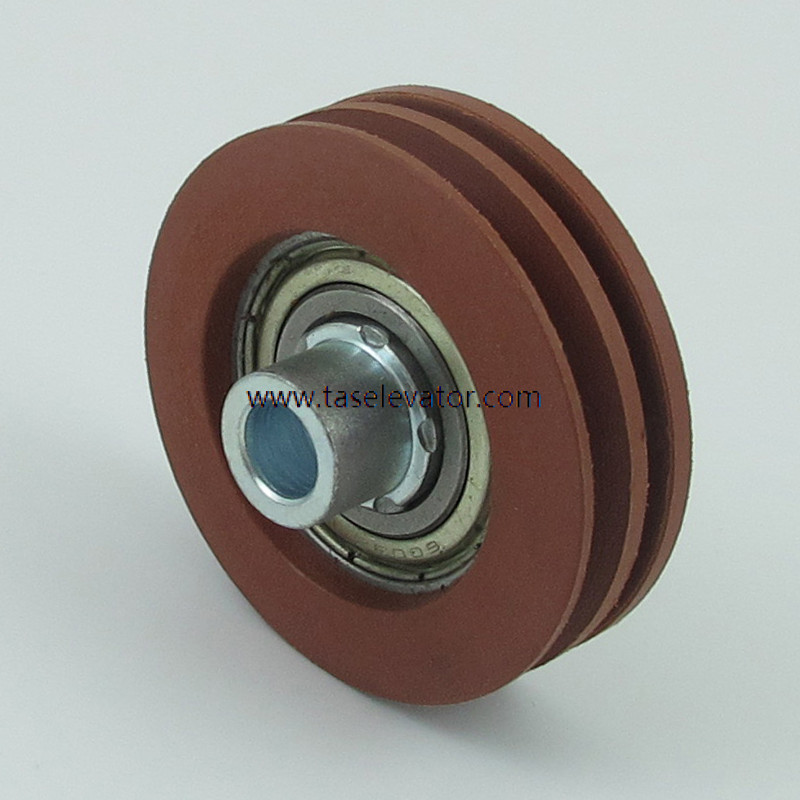
An elevator door roller is a mechanical component used in the elevator door system to help the door panels move smoothly along the door track or guide system.
Depending on the elevator design, door rollers may be installed on:
- Elevator car doors
- Landing doors
- Automatic sliding doors
- Center-opening doors
- Side-opening doors
- Different types of elevator door operators
The roller normally consists of a wheel, bearing, shaft, bracket, or other mounting components.
During normal operation, the roller is exposed to repeated movement. Over time, the wheel or bearing may wear, resulting in reduced performance.
Why Is the Right Elevator Door Roller Important?
Using the correct roller can help maintain smooth and stable elevator door operation.
A suitable door roller should provide:
- Smooth movement
- Low operating noise
- Proper fit
- Good wear resistance
- Reliable bearing performance
- Correct installation
- Long service life
An incorrectly selected roller may cause the door to move unevenly or create excessive friction.
In some cases, installing a roller with the wrong dimensions can also affect door alignment and the overall performance of the door system.
1. Check the Elevator Brand and Model
The first step when choosing an elevator door roller is to identify the elevator brand and model.
Common elevator brands include:
- KONE
- OTIS
- Schindler
- Mitsubishi
- Fujitec
- Hitachi
- Toshiba
- Hyundai
Different elevator models may use different door roller designs.
Even if two rollers look similar, their dimensions, mounting structure, bearing specifications, or installation methods may be different.
Therefore, do not select a roller based only on its appearance.
2. Find the Original Part Number
The part number is usually one of the most useful pieces of information when sourcing an elevator door roller.
If the original roller has a label, packaging, or part number, provide this information to your supplier.
A part number allows the supplier to check:
- Original specifications
- Compatible replacement models
- Available stock
- Product price
- Production lead time
If you do not know the part number, you can usually provide clear photos of the original roller.
For better identification, take photos of the front, side, back, mounting area, and product label if available.
3. Measure the Roller Carefully
When the original part number is unavailable, dimensions become especially important.
Important measurements may include:
Wheel Diameter
The outside diameter of the roller wheel is one of the most important dimensions.
A different wheel diameter can affect the position and movement of the door.
Wheel Width
The width of the wheel should also be checked to make sure it fits correctly with the track or guide system.
Shaft Diameter
The shaft or mounting hole needs to match the original installation structure.
Overall Height and Length
Depending on the roller design, the overall dimensions of the assembly may also affect installation.
Mounting Hole Dimensions
The distance between mounting holes and the hole diameter should be checked carefully.
When ordering replacement rollers, it is recommended to provide the supplier with a complete dimension drawing or several clear photos with measurements.
4. Consider the Roller Material
The material of the roller can have a significant impact on its performance and service life.
Common wheel materials include different types of engineering plastics, polyurethane, rubber, and other materials depending on the application.
The ideal material depends on the elevator door system and operating conditions.
When evaluating a replacement roller, consider:
- Wear resistance
- Hardness
- Noise level
- Load capacity
- Temperature resistance
- Friction characteristics
For example, a roller designed for quiet operation may use a material that reduces vibration and operating noise.
A professional supplier should be able to provide material and product specifications when required.
5. Check the Bearing Quality
The bearing is another critical part of an elevator door roller.
A high-quality bearing should allow the wheel to rotate smoothly while minimizing friction.
When evaluating a roller, consider:
- Bearing type
- Bearing size
- Rotation smoothness
- Sealing
- Load capacity
- Expected service life
A poor-quality bearing may produce noise or develop excessive play after a relatively short period of operation.
For maintenance applications, reliable bearing performance is particularly important because elevator doors may operate many times every day.
6. Check Compatibility With the Door System
Not every elevator door roller is interchangeable.
Before ordering, confirm that the roller is suitable for the specific door system.
You should check:
- Elevator brand
- Elevator model
- Door operator
- Door panel design
- Roller dimensions
- Mounting structure
- Track configuration
- Original part number
If you are unsure, provide the supplier with the original part number and photos.
A professional supplier should confirm compatibility before you place a large order.
7. OEM vs Aftermarket Elevator Door Rollers
When purchasing replacement elevator door rollers, buyers often need to choose between OEM parts and aftermarket alternatives.
OEM Door Rollers
OEM parts are supplied by the original equipment manufacturer or produced according to the original manufacturer’s specifications.
They may offer:
- Strong compatibility
- Consistent specifications
- Original design
- Stable quality
However, OEM parts can sometimes be more expensive or have longer lead times.
Aftermarket Door Rollers
Aftermarket rollers are manufactured by independent suppliers.
A good-quality aftermarket roller can provide:
- Competitive pricing
- Good availability
- Shorter lead times
- Flexible purchasing quantities
For elevator maintenance companies and distributors, aftermarket parts can be a practical replacement solution.
However, quality can vary between manufacturers. Buyers should therefore evaluate specifications, materials, bearings, manufacturing quality, and supplier experience instead of choosing based solely on price.
8. Inspect the Roller Before Installation
When you receive your elevator door rollers, inspect them before installation.
Check the following:
- Product model
- Part number
- Dimensions
- Wheel condition
- Bearing rotation
- Mounting holes
- Bracket condition
- Surface finish
- Packaging condition
Compare the replacement roller with the original component whenever possible.
If there is any significant difference, contact the supplier before installation.
9. Common Signs That an Elevator Door Roller Needs Replacement
How do you know when a door roller should be replaced?
Some common signs include:
Unusual Door Noise
Grinding, squeaking, or clicking sounds may indicate roller or bearing wear.
Door Vibration
If the door moves with noticeable vibration, the roller or guide system may require inspection.
Uneven Door Movement
A worn roller may cause the door to move unevenly or become less stable.
Door Movement Becomes Slow
Increased friction or bearing problems can affect door movement.
Visible Wear
Cracks, deformation, excessive wear, or damage to the roller wheel are clear signs that replacement may be necessary.
If these problems appear, the complete door system should be inspected by a qualified elevator professional.
10. How to Maintain Elevator Door Rollers
Regular maintenance can help extend the service life of elevator door rollers.
Maintenance personnel should regularly check:
- Roller wear
- Bearing condition
- Door alignment
- Track condition
- Mounting bolts
- Abnormal noise
- Door movement
The door track should also be kept clean and free from excessive dirt or foreign objects.
However, maintenance procedures should always follow the elevator manufacturer’s requirements and applicable safety regulations.
How to Order Elevator Door Rollers From China
If you are purchasing elevator door rollers from a Chinese supplier, the ordering process can be simple if you provide sufficient product information.
Step 1: Send the Part Number
If available, provide the original part number.
Step 2: Send Product Photos
Clear photos can help the supplier identify the correct roller.
Step 3: Provide Quantity
Tell the supplier how many pieces you need.
Step 4: Confirm Compatibility
Ask the supplier to confirm that the replacement roller matches your elevator system.
Step 5: Request a Quotation
Ask for the unit price, total price, packaging, lead time, and shipping cost.
Step 6: Confirm Shipping
Choose express, air freight, or sea freight depending on your order size and delivery requirements.
For first-time cooperation, ordering samples can also be a practical way to evaluate product quality before placing a larger order.
What Information Should You Send to a Supplier?
To receive an accurate quotation quickly, you can send the following information:
Product: Elevator Door Roller
Brand: KONE / OTIS / Schindler / Mitsubishi / etc.
Part Number: XXXXX
Quantity: XX pcs
Destination: Country / City
Photos: Original product photos
Requirements: OEM or aftermarket
If you don’t know the part number, simply send a clear photo and the dimensions of the original roller.
An experienced elevator spare parts supplier can then help identify the appropriate replacement.
Frequently Asked Questions
How long does an elevator door roller last?
The service life depends on the roller material, bearing quality, elevator usage, installation, maintenance, and operating environment. There is no single replacement interval that applies to every elevator.
Can I replace an OEM elevator door roller with an aftermarket roller?
In many cases, a properly manufactured aftermarket roller can be used as a replacement. However, compatibility should always be confirmed based on the original part number, dimensions, and elevator door system.
How can I identify an elevator door roller without a part number?
Provide clear photos and accurate measurements, including wheel diameter, wheel width, shaft diameter, mounting dimensions, and overall dimensions.
Can I buy elevator door rollers in small quantities?
Many suppliers can provide small quantities for maintenance or sample orders, although MOQ depends on the supplier and product.
Can elevator door rollers be shipped internationally?
Yes. Elevator door rollers can generally be shipped internationally by express, air freight, or sea freight depending on the quantity, weight, destination, and delivery requirements.
Conclusion
Choosing the right elevator door roller is important for maintaining smooth, quiet, and reliable elevator door operation.
Before purchasing, always check the elevator brand, model, original part number, dimensions, material, bearing, and mounting structure. If the original part number is unavailable, clear photos and accurate measurements can help a supplier identify the correct replacement.
For elevator maintenance companies, contractors, and distributors, working with an experienced elevator spare parts supplier can make the sourcing process easier and reduce the risk of purchasing incompatible products.
If you are looking for elevator door rollers, KONE door rollers, OTIS door rollers, Schindler door rollers, Mitsubishi door rollers, or other elevator spare parts, send us the part number or a photo of the original product.
We can help check the suitable replacement, confirm specifications, and provide a quotation according to your requirements.