
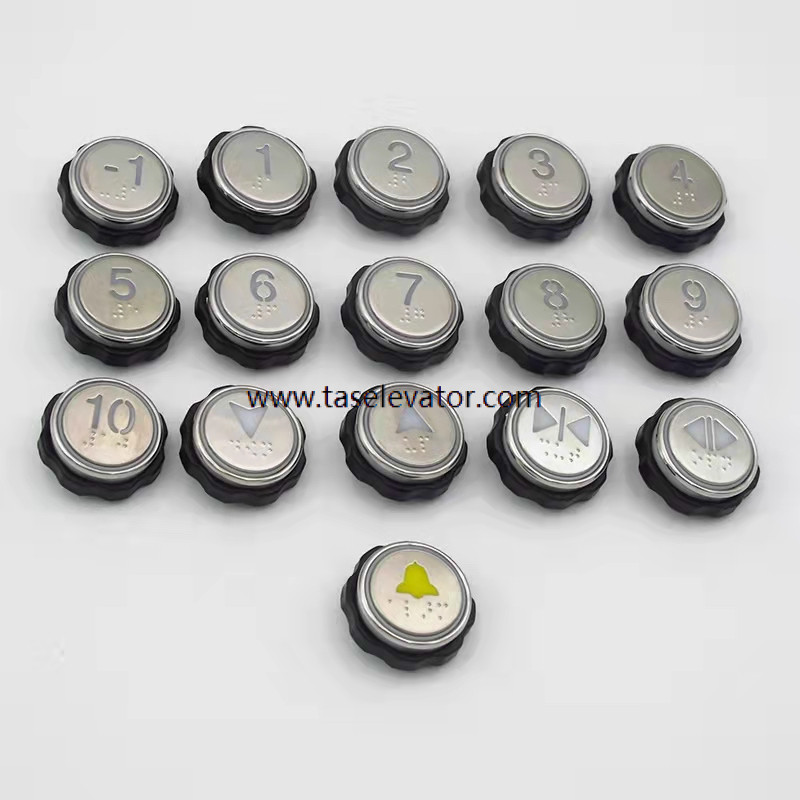
Elevator push buttons are one of the most frequently used components in any elevator system. Although they may seem like simple accessories, their quality, durability, and compatibility directly affect passenger experience, maintenance costs, and overall elevator reliability.
Whether you are an elevator manufacturer, maintenance company, distributor, or building owner, choosing the right elevator push buttons is essential for long-term performance.
In this guide, we’ll explain the key factors to consider before purchasing elevator push buttons.
1. Consider the Application
The first step is identifying where the push button will be installed.
Different applications require different types of buttons:
- Elevator Car Operating Panel (COP)
- Landing Operating Panel (LOP)
- Home elevators
- Passenger elevators
- Freight elevators
- Hospital elevators
- Panoramic elevators
For example, hospital elevators often require larger buttons with Braille markings and high visibility, while freight elevators typically need heavy-duty stainless steel buttons designed for intensive use.
2. Choose the Right Material
The material determines both the appearance and service life of the push button.
Common materials include:
Stainless Steel
Stainless steel is the most popular choice because it offers:
- Excellent corrosion resistance
- High impact strength
- Long service life
- Modern appearance
It is suitable for commercial buildings, hotels, shopping malls, and residential elevators.
Plastic Buttons
Plastic buttons are more economical and are commonly used in residential buildings or low-traffic applications.
Metal Alloy Buttons
Some premium elevator buttons use aluminum alloy or zinc alloy to provide enhanced durability and a premium appearance.
3. Check Button Illumination
Modern elevator buttons usually include LED lighting to improve visibility.
Popular LED colors include:
- White
- Blue
- Red
- Green
- Amber
Some buttons feature dual-color indicators that change color when a floor is selected, providing clear feedback to passengers.
When selecting illuminated buttons, ensure the LEDs have a long lifespan and consistent brightness.
4. Ensure Compatibility
Not every push button fits every elevator.
Before purchasing, confirm compatibility with the existing elevator system.
Many replacement buttons are available for major elevator brands, including:
- Otis
- KONE
- Schindler
- Mitsubishi
- Hitachi
- Toshiba
- Hyundai
- Fujitec
- TK Elevator
If you’re replacing an existing button, compare dimensions, mounting holes, wiring configuration, and connector type before ordering.
5. Pay Attention to Button Life Cycle
Elevator buttons are pressed thousands of times every day.
A high-quality button should offer:
- High mechanical durability
- Stable electrical performance
- Excellent tactile feedback
- Reliable LED performance
- Long operating life
Commercial-grade elevator push buttons are typically designed for millions of operating cycles, reducing maintenance frequency and replacement costs.
6. Safety and Accessibility
Safety is always a priority.
Quality elevator push buttons should include:
- Braille markings for visually impaired passengers
- Clear floor number identification
- Smooth button operation
- Fire-resistant materials
- Compliance with international elevator standards
These features improve accessibility while helping buildings meet local regulations.
7. Consider the Design
Today’s elevators are part of a building’s interior design.
Modern elevator buttons are available in various styles, including:
- Round buttons
- Square buttons
- Flush-mounted buttons
- Touch-sensitive buttons
- Mirror-finished stainless steel
- Hairline stainless steel
- Black titanium finish
Choosing a design that matches the elevator cabin creates a more professional appearance and enhances the passenger experience.
8. Work with a Reliable Manufacturer
The quality of elevator spare parts depends largely on the manufacturer.
A professional elevator push button manufacturer should provide:
- Strict quality control
- OEM & ODM services
- Fast production
- Stable product quality
- Technical support
- International shipping experience
Reliable suppliers can also help customers find replacement buttons for discontinued elevator models and customize products for specific projects.
9. Evaluate After-Sales Support
Good after-sales service is just as important as product quality.
Before placing a bulk order, ask the supplier about:
- Product warranty
- Technical documentation
- Installation guidance
- Replacement policy
- Delivery lead time
Responsive support helps minimize downtime and ensures smooth project execution.
Conclusion
Choosing the right elevator push button involves much more than selecting a button with the right appearance. Material quality, compatibility, durability, safety features, illumination, and supplier reliability all play important roles in ensuring long-term elevator performance.
Whether you need replacement buttons for elevator maintenance or customized solutions for new projects, investing in high-quality elevator push buttons can improve reliability, reduce maintenance costs, and enhance the passenger experience.
If you’re looking for dependable elevator push buttons or other elevator spare parts, partnering with an experienced manufacturer is the best way to ensure consistent quality and long-term value.